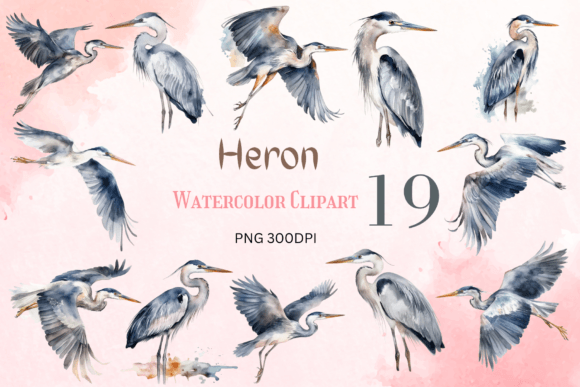
Blue Heron Watercolor Clipart for Crafts and Content
In my years as a digital publisher and blog designer, I have learned that the difference between a content site that feels amateurish and one that commands reader trust often comes down to the smallest details. It is not just about the words on the page; it is about the visual language that frames those words. When I first encountered the Blue Heron Watercolor Clipart, I immediately thought about how this specific graphic design asset could elevate the editorial quality of a lifestyle or nature-focused publication. This is not merely a decorative image; it is a strategic tool for building a cohesive brand identity.
The First Impression: Editorial Mood and Reader Perception
The moment you place the Blue Heron Watercolor Clipart into your workflow, the tone of your content shifts. The soft, organic textures of watercolor bring an immediate sense of calm and authenticity that flat vector art often lacks. For a blogger or newsletter creator, this creates a mood that is both artistic and approachable. It suggests a niche that values creativity, perhaps leaning towards lifestyle, wellness, gardening, or even educational crafts.
This asset does not feel corporate or sterile. Instead, it evokes a feeling of handmade care. In an era where readers are bombarded with generic stock photography, a unique piece like this helps establish a distinct visual hierarchy. It signals to the audience that the content within is curated with intention. Whether you are designing a category thumbnail or a featured image, this clipart adds a layer of sophistication that can significantly improve reader trust and engagement.
Real-World Publishing Workflows
I recently integrated similar assets into a content marketing strategy for an affiliate blog focused on home decor. The goal was to create a seamless experience across multiple touchpoints. Here is how the Blue Heron Watercolor Clipart fits into a modern publishing stack:
- Pinterest Pins: These graphics require high contrast and emotional appeal to stop the scroll. The natural blues and greens of the heron work beautifully against white or cream backgrounds, making them perfect for click-through optimization.
- Newsletter Headers: A consistent visual theme in your email blasts reinforces brand identity. Using this asset as a banner or sidebar element keeps your subscribers engaged without overwhelming the text.
- Digital Guides and Lead Magnets: When creating downloadable worksheets or eBooks, the cover design is critical. This clipart serves as an excellent anchor for the title, turning a simple PDF into a perceived value product.
- Social Media Graphics: For Instagram stories or Facebook posts, the organic shape of the watercolor allows for creative layouts that blend seamlessly with user-generated content.
By using these design assets consistently, you move away from disjointed visuals toward a unified commercial design system. This consistency is key for small business branding and long-term growth.
Strategic Placement for Maximum Impact
Not every image needs to be a hero graphic. Sometimes, the most powerful use of a design asset is subtle. Consider using the Blue Heron Watercolor Clipart as an editorial accent within article headers or as a bullet point replacement in lists. This breaks up dense text and guides the eye naturally through the content.
For website headers, placing this asset next to your logo can instantly communicate your niche. If you are running a site dedicated to Crafts or nature-inspired DIY projects, this image acts as a visual shorthand for your topic. It supports the narrative before the user even reads the headline. Furthermore, when used in media kits, it demonstrates to potential advertisers that you understand the importance of professional aesthetics.
Where to Exercise Caution
While this asset is versatile, a seasoned publisher knows that context is everything. There are scenarios where the Blue Heron Watercolor Clipart might not be the right choice. For instance, if you are designing for a serious professional niche like legal advice or financial consulting, the whimsical nature of watercolor might undermine the authority you need to project.
Additionally, technical constraints matter. On mobile devices, where screen real estate is limited, complex watercolor textures can sometimes become muddy if the image resolution is too low. You must ensure that the file size is optimized so it does not slow down your page load speed. Also, avoid placing this asset on busy backgrounds or over text-heavy areas where the contrast drops too low. In these cases, the visual hierarchy collapses, and the message gets lost.
Practical Publisher Notes for Implementation
Before committing this asset to your live site, I recommend running a few tests to ensure it performs well across different environments. First, preview the image inside a real blog layout. Does it look good next to your serif font? How does it pair with a modern sans-serif style? Testing the asset alongside various typography choices will help you find the perfect balance between readability and aesthetic appeal.
You should also check the performance metrics. Compress images properly to maintain quality while reducing file size. A heavy image can hurt your SEO rankings and frustrate users on slower connections. Finally, always review your commercial license. If you plan to use this on monetized websites, affiliate pages, or paid content products, you must confirm that the commercial license covers your specific use case. This protects you from legal issues and ensures you can scale your digital download business without worry.
Building a Cohesive Visual Identity
Ultimately, the goal of any web design project is to create a memorable experience. The Blue Heron Watercolor Clipart offers a unique opportunity to inject personality into your digital products. Whether you are building a Canva template for your followers or creating a series of social media graphics, this asset provides a foundation for a strong visual identity.
When used correctly, it transforms standard blog graphics into something that feels bespoke. It elevates the perception of your content marketing efforts, making your affiliate links appear more trustworthy and your free resources more valuable. By paying attention to these details, you show your audience that you care about their experience, which is the cornerstone of successful online publishing.
As you explore the creative marketplace for your next project, remember that the best design assets are those that serve a purpose beyond decoration. They tell a story, they guide the eye, and they build a bridge between your brand and your reader. The Blue Heron Watercolor Clipart is a powerful addition to any toolkit designed for editorial excellence and commercial success.