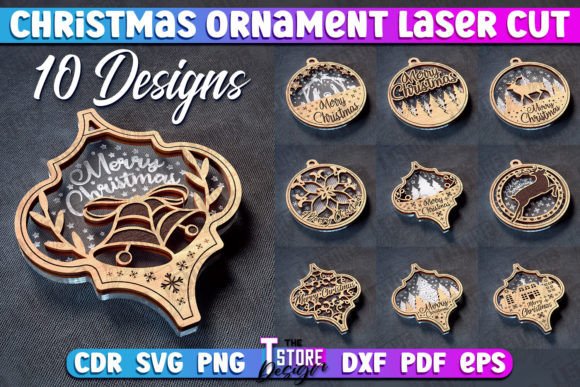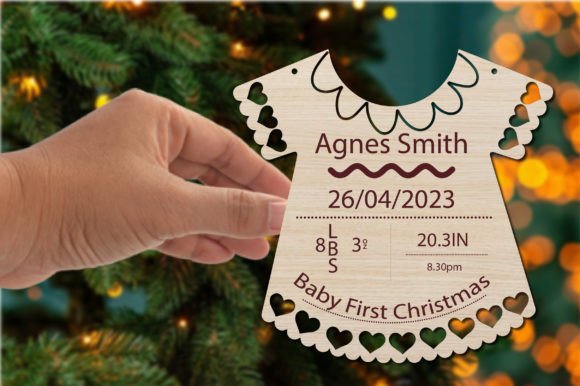
Baby First Christmas Ornaments Laser Cut Review
As someone who has spent years evaluating embroidery designs for both personal projects and commercial client work, I have learned to look past the pretty preview image. When I first opened the file for Baby First Christmas Ornaments Laser Cut, my immediate reaction was one of seasonal warmth. It feels less like a generic holiday graphic and more like a specific memory waiting to be stitched. The name itself suggests a narrative: it is not just about Christmas; it is about that very first milestone where a baby experiences the magic of the season. This emotional hook is crucial for designers targeting the gift market, where buyers are often looking for something sentimental rather than purely decorative.
The visual personality of this design leans heavily into the "Winter Amp" aesthetic, which implies a crisp, festive atmosphere perfect for end-of-year collections. However, the real test for any embroidery file is how it translates from a digital screen to a physical fabric surface. In my experience, laser-cut style designs can sometimes suffer from jagged edges or loss of detail when converted to stitches. From what I observed in the layout, Baby First Christmas Ornaments Laser Cut appears to maintain a clean silhouette. The ornament shape provides a contained area for stitching, which helps guide the eye and prevents the design from looking cluttered on smaller items like onesies or caps.
Real-World Application: The Boutique Gift Scenario
Let's imagine a practical scenario. You are an Etsy seller preparing your holiday inventory three months before the rush. You need a product that screams "personalized gift" but requires minimal setup time. You decide to create a set of embroidered ornaments for new parents. This is where Baby First Christmas Ornaments Laser Cut shines. Unlike complex scenes that require hours of digitizing adjustments, this design offers a focused subject matter that works beautifully as a standalone piece or as part of a larger collection.
I envision taking this design and applying it to a high-quality cotton muslin tote bag. The contrast between the soft fabric and the dense satin stitch of the ornament creates a tactile appeal that customers love. Alternatively, consider using it on a baby's sweatshirt. The phrase "Baby First" combined with the ornament motif is a classic trope in the industry, but the execution here needs to feel fresh. If the lettering is clear and the ornament detail is sharp, this becomes a top-tier item for a small shop product line. It bridges the gap between a simple hobbyist craft and a professional boutique offering.
However, the versatility extends beyond just gifts. For those running a craft business, this design could serve as a focal point for aprons used during holiday baking classes or kitchen towels intended as wedding showers. The key is understanding that the design carries a specific weight; it is heavy with meaning. It tells a story of growth and celebration. When you sell a finished product featuring Baby First Christmas Ornaments Laser Cut, you are selling that sentiment. Customers trust brands that understand these nuances, and they are willing to pay a premium for products that feel thoughtfully designed rather than mass-produced.
Technical Performance and Stitch Considerations
When evaluating any machine embroidery design, we must talk about the technical realities of stitching. The performance of Baby First Christmas Ornaments Laser Cut will depend heavily on the stitch density and the type of stitches used. Typically, designs with this level of detail rely on a mix of satin stitch for outlines and borders, and fill stitch for the body of the ornament. If the fill density is too high, the fabric might pucker, especially on stretchy materials like jersey knits often used for baby clothes. Conversely, if the density is too low, the design may look sparse and lack the "premium" feel required for commercial embroidery.
Another critical factor is the hoop size. While the design looks great on a standard 4x4 hoop, its effectiveness on smaller hoops (like 3x3) depends on whether the details are simplified enough. If the ornament features intricate patterns inside the shape, shrinking it down might result in a muddy mess where individual stitches blend together. I always advise testing the design on scrap fabric first to ensure the stitch density holds up under tension. Furthermore, check the thread colors provided in the file palette. A design that looks vibrant on a white background might get lost on a dark fabric unless you plan to use a substantial underlay or a contrasting thread color strategy.
The texture of the fabric also plays a massive role. On a smooth twill cap, the design will likely pop with clarity. On a textured fabric like a chunky knit sweater or a rough burlap, the fine lines of the laser-cut style might disappear into the weave. This is a common pitfall for digital product sellers who create mockups without accounting for fabric reality. To maintain brand consistency, you must ensure the final product matches the expectation set by the digital preview. If the design loses definition on your chosen material, the perceived value of the handmade product drops significantly.
Where to Exercise Caution
Not every project is a fit for this design, and recognizing the limitations is what separates a pro from an amateur. There are specific scenarios where Baby First Christmas Ornaments Laser Cut should be used carefully or avoided entirely. For instance, attempting to stitch this on thin, sheer fabrics without proper stabilizer will lead to distortion. Similarly, on dark fabrics, if the file does not include a light-colored outline or sufficient padding, the design might blend in and lose its impact.
Curved surfaces like baseball caps present another challenge. While the rounded shape of an ornament fits the curvature of a cap well, the text or detailed corners might distort if the machine cannot compensate for the curve properly. Small lettering within the design is particularly risky; if the letters are too tiny, they may become illegible after washing. For products that need frequent laundering, such as aprons or baby bibs, you must verify that the stitch density is robust enough to withstand wear and tear without fraying or losing shape.
Additionally, if you are planning to use this for commercial embroidery on layered garments, ensure the design is not so thick that it causes discomfort or interferes with the garment's closure. The goal is to enhance the product, not compromise its function. Always inspect small details before committing to a full production run. A single misaligned stitch can ruin the professional look of a batch of items.
Final Thoughts for Designers and Makers
In conclusion, Baby First Christmas Ornaments Laser Cut is a strong candidate for anyone looking to expand their holiday offerings. It hits the right notes of nostalgia, cuteness, and festivity that drive sales in the craft business sector. Whether you are creating a custom apparel line, designing a patch for a denim jacket, or making personalized gifts for clients, this design offers a solid foundation. It supports the idea of a finished product that feels special and worth keeping.
Before you start stitching, remember the golden rules of our trade: test on scrap, check your stabilizer, and confirm your licensing terms. If you are a Etsy seller or a small shop owner, ensure you have the rights to sell the finished items made with this embroidery project. Verify the file formats and machine compatibility to avoid technical headaches later. By paying attention to these details, you can transform a simple digital file into a beloved keepsake that brings joy to families during the holidays.
Ultimately, the success of Baby First Christmas Ornaments Laser Cut in your hands depends on your skill and attention to detail. Used wisely, it can elevate your brand and engage buyers who are looking for authentic, high-quality handmade goods. Take the time to visualize the final outcome, consider the fabric, and let the design do the talking. That is how you build trust and create memorable design assets for your portfolio.