Dog: A Vibrant Graphic Design Asset for Dogs and Local Brands
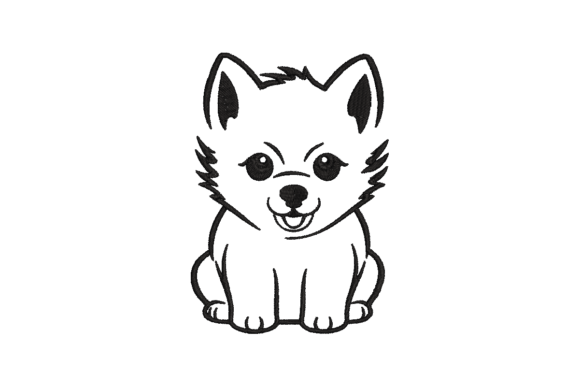
As a brand designer who has spent years refining the visual identities of local businesses, I recently had the opportunity to evaluate a specific graphic design asset titled Dog. In my line of work, we often search for elements that do more than just decorate; they must communicate personality, build trust, and elevate the perceived value of a product. This particular illustration is not merely a clipart image found in a generic library. It is a versatile design element with significant potential for small business branding, product packaging, and promotional materials. Whether you are running a boutique store, a handmade soap business, or a local bakery, understanding how this asset fits into your visual ecosystem is crucial.
First Impressions and Brand Personality
The moment you place Dog on a blank canvas, it establishes an immediate mood. The design exudes a sense of warmth, approachability, and playful energy. Unlike rigid corporate icons, this asset suggests a brand personality that is friendly, organic, and perhaps a bit rustic or handmade. It feels less like a sterile digital creation and more like a hand-drawn illustration that invites interaction. For a local business owner, this translates to a brand that feels accessible and genuine.
This specific style of Dog works exceptionally well for brands that want to project authenticity. It is ideal for artisanal food labels, eco-friendly skincare products, or children's merchandise where a soft, inviting aesthetic is required. However, it might feel too casual for a high-end luxury jewelry brand or a formal law firm. The asset carries a decorative charm that enhances emotional connection but requires careful pairing to maintain professional credibility. When used correctly, it transforms a standard product presentation into a memorable brand experience.
Strategic Applications for Local Business Projects
In a real-world scenario, imagine a small coffee shop launching a new line of seasonal pastries. They need packaging that stands out on the shelf and tells a story. Integrating this Dog graphic as a central hero element on their pastry boxes could instantly create a whimsical and welcoming vibe. It serves as a visual hook that draws the customer in before they even read the text.
- Product Labels and Packaging: The asset can be scaled to fit circular stickers for jar lids or rectangular tags for clothing items. Its clean lines ensure it remains legible even at smaller sizes, making it perfect for hang tags and thank-you cards included in every order.
- Social Media Graphics: For social media managers, this illustration is a goldmine. It can be used as a background element for Instagram stories, a header for Facebook posts, or a watermark on promotional ads. It adds a layer of consistency that helps followers recognize the brand immediately across different platforms.
- Promotional Materials: From flyers and posters to menu graphics and price lists, Dog acts as a unifying theme. It can break up dense text, guide the eye through the layout, and add a touch of elegance to printed marketing visuals.
- Web Design Elements: On a website banner or a product page, this asset can serve as a decorative accent that reinforces the brand identity without overwhelming the user interface.
Elevating Brand Presentation and Trust
One of the primary goals of any small business branding project is to establish authority and reliability. Using a high-quality graphic design asset like Dog contributes significantly to this goal. It signals to the customer that the business cares about details. A polished product mockup featuring this illustration suggests that the contents inside are equally well-crafted.
When integrated thoughtfully, the asset improves visual hierarchy. It directs attention to key information, such as the product name or a special offer, while maintaining a cohesive look. This consistency builds customer trust over time. Instead of a disjointed collection of images, the brand presents a unified face. Whether it is a candle brand using the graphic on its wax seal or a florist using it on a bouquet wrap, the result is a more professional appearance that commands higher perceived value.
Where This Asset Shines Brightest
To maximize the impact of Dog, designers should focus on areas where visual appeal drives engagement. It excels as a decorative brand element on seasonal campaign visuals, such as holiday gift wrapping or summer sale banners. It is also highly effective in product mockups, where it can simulate how a final package will look in the hands of a customer. For boutique owners, using this illustration on window displays or in-store signage creates an immersive atmosphere that encourages browsing.
Furthermore, printable designs like editorial inserts, recipe cards, or care instructions benefit greatly from the artistic flair of this asset. It turns functional documents into keepsakes that customers want to keep, extending the life of the brand interaction beyond the initial purchase.
Cautions and Strategic Limitations
However, no single design asset is a universal solution. There are scenarios where Dog should be used with caution. For formal corporate branding or very minimalist luxury brands, the playful nature of this illustration might clash with the desired sleek, understated aesthetic. If the design is placed on a crowded product label where space is limited, it could compete with essential legal information or ingredient lists, creating a cluttered look.
Designers must also consider contrast. Placing a light-colored version of Dog on a white background will render it invisible, defeating the purpose of the graphic. Similarly, in layouts with heavy typography, the illustration should be balanced carefully so it does not distract from the core message. It is best reserved for projects where the brand voice is warm, creative, and community-focused rather than strictly utilitarian or hyper-formal.
Essential Designer Notes for Implementation
Before integrating Dog into a commercial project, several technical and strategic checks are necessary. First, always test the asset on real packaging mockups. What looks good on a screen may appear pixelated or muddy when printed on textured paper. Check the black and white usage to ensure the design retains its shape without color support.
If the file is provided as a PNG design, verify the transparency quality. If it is an SVG design, inspect the vector editability to ensure you can adjust colors to match your brand palette perfectly. Compare the asset against competitor packaging to ensure it offers a unique edge rather than blending in. Finally, confirm the commercial license. Using this graphic for client work, business branding, or physical product sales requires explicit permission to avoid legal issues.
Experiment with font pairings. Test Dog beside serif fonts for a classic look, sans-serif fonts for modernity, script fonts for elegance, or handwritten styles for a personal touch. By treating this graphic as a foundational part of your brand identity rather than a mere decoration, you unlock its full potential. For creative entrepreneurs and marketers looking to elevate their local business, Dog offers a robust tool to craft a distinct, memorable, and professional visual narrative.