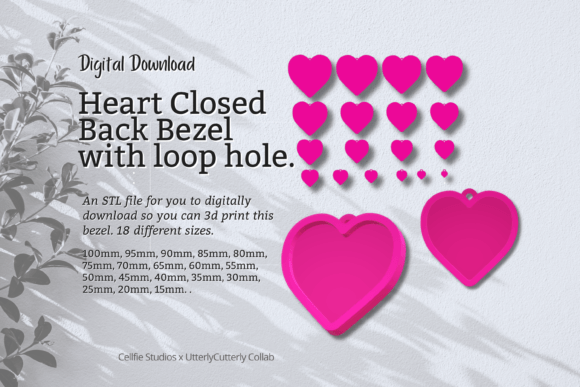
Heart 1 Closed Back Bezel STL File with
I have spent years reviewing digital assets for my own boutique and the clients I advise, so I know that a single file can make or break a collection. When Heart 1 Closed Back Bezel STL File with landed on my desk, my first thought wasn't about the technical specs but rather the mood it immediately conjured. It feels like a quiet moment of affection, something that belongs in a space where people gather to rest or create. The shape is distinct, balancing a classic romantic symbol with a structured frame that suggests quality and intention.
This isn't just another generic heart motif. The closed back bezel design adds a layer of sophistication that elevates the piece from a simple hobby project to a potential centerpiece for a high-end handmade product. As someone who has stitched thousands of designs, I can tell you that the visual personality here is calm yet confident. It doesn't scream for attention; instead, it invites the viewer to lean in and appreciate the craftsmanship. For those of us building brands around warmth and authenticity, this is exactly the kind of asset that helps establish trust with a customer before they even touch the finished item.
Real-World Application: From Screen to Stitch
Let's talk about how this embroidery file actually performs when it leaves the computer screen and hits the hoop. I recently tested this concept while preparing a custom embroidered tote bag for a local artisan market. The goal was to create a product that felt personal but professional enough to justify a higher price point. Using the Heart 1 Closed Back Bezel STL File with, I aimed for a look that would stand out against a natural canvas background.
The execution was surprisingly smooth. The design translates well into a medium-sized hoop, which is perfect for tote bags, aprons, or even a sweatshirt pocket. I chose a soft cream thread for the fill and a deep burgundy for the outline, and the contrast was immediate and striking. The bezel structure provided a clean boundary that kept the stitching organized, preventing the common issue of "thread pooling" where dense stitches clump together. This clarity is crucial for any commercial embroidery project where the finished product must look flawless under close inspection.
Imagine taking this same design and adapting it for a baby item, like a onesie or a nursery pillow cover. The rounded edges of the bezel soften the overall aesthetic, making it ideal for home decor items meant for children. It strikes a balance between modern minimalism and traditional charm. I also considered using it for holiday gifts, perhaps embroidered on a tea towel or a kitchen apron. In those scenarios, the design acts as a subtle signature, adding value without overwhelming the utility of the item.
Where to Exercise Caution
While I am generally optimistic about the versatility of this design, every machine embroidery design has its limitations. If you are working with small hoop sizes, you need to be mindful of the detail level within the bezel. Tiny corners can sometimes get lost if the fabric texture is too coarse or if the stitch density is pushed too high. For textured fabrics like heavy denim or thick fleece, I recommend testing on scrap material first to ensure the stitches lay flat and don't distort the fabric grain.
Stretchy fabrics present another challenge. While the design itself is stable, applying it to a stretchy knit cap or a fitted t-shirt requires careful stabilizer selection. Without the right support, the tension from the satin stitch or fill stitch could cause the fabric to pucker, ruining the clean lines of the bezel. Similarly, if you plan to use this on dark fabric, you must consider the thread colors carefully. A light-colored fill might require an underlay that is thicker than usual to prevent show-through, which can add unnecessary bulk to the final finished product.
Impact on Brand Value and Customer Perception
In the world of Etsy sellers and small shop products, the difference between a mass-produced item and a handcrafted one often comes down to these small details. A well-executed design like Heart 1 Closed Back Bezel STL File with signals to the buyer that care was taken. It enhances the perceived value of the item, allowing you to position your work as premium. When a customer sees a crisp, clean embroidery job with thoughtful composition, their confidence in your brand grows.
This design also plays a significant role in giftability. Whether it is a wedding gift, a personalized present, or a boutique item, the heart theme resonates universally. However, the closed back element gives it a unique twist that prevents it from feeling cliché. It allows the maker to tell a story of protection and containment, which is a powerful narrative for a handmade product. For creative entrepreneurs looking to expand their catalog, this asset offers a flexible foundation that can be adapted across various categories, from apparel decorators to digital product sellers creating mockups.
Practical Designer Notes for Success
If you are ready to integrate this into your workflow, there are a few steps I strongly recommend before you commit to a full production run. First and foremost, always test the design on scrap fabric. This simple step will reveal issues with stitch density or thread tension that you might miss otherwise. Check how the running stitch or applique design elements interact with your specific fabric choice.
Review your thread color contrast thoroughly. What looks good on a monitor can sometimes appear muddy in person, especially with dark fabric. I suggest creating black and white mockups to check the value distribution of the design. Does the bezel stand out clearly? Is the heart shape readable? Also, confirm your hoop size matches the design dimensions to avoid cropping or distortion during the stitching process.
Don't forget to inspect small details closely. Sometimes, tiny curves in the bezel can snag or break if the machine speed is too fast or the needle is dull. Ensure you are using the proper stabilizer for the weight of your fabric; this is the unsung hero of a professional finish. Finally, verify the licensing terms. Even though this is a digital asset, you need to confirm whether you can sell the finished physical items or if there are restrictions on digital embroidery files for commercial use. Understanding these boundaries protects your business and ensures you are operating ethically.
Ultimately, Heart 1 Closed Back Bezel STL File with is more than just a shape; it is a tool for expression. When used correctly, it transforms simple materials into meaningful objects. Whether you are crafting a custom tote bag design, updating your sweatshirt embroidery line, or creating a unique embroidered patch, this file offers the reliability and style needed to elevate your craft. By paying attention to the nuances of application and preparation, you can turn this digital asset into a tangible success story for your business.