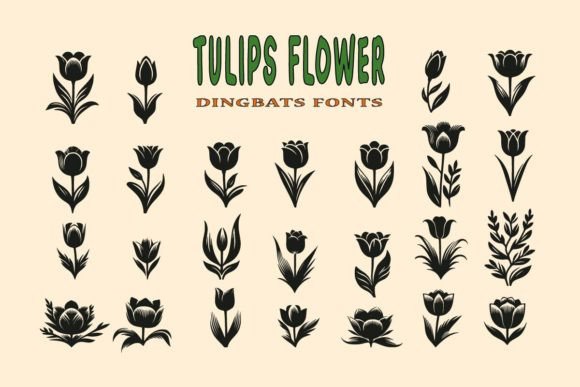
Tulips Flower: A Premium Dingbats Asset for Modern Publishing
As a digital publisher who has spent years refining the visual identity of content-driven websites, I know that the smallest design choices often carry the most weight. When I first encountered Tulips Flower, a specialized set within the Dingbats category, my immediate thought was not just about decoration, but about editorial authority. In the crowded landscape of online publishing, where readers decide in seconds whether to trust a source or click through to an affiliate offer, the quality of your visual assets is non-negotiable. This review explores how this specific graphic design asset integrates into a real-world workflow for bloggers, newsletter creators, and creative entrepreneurs.
The First Impression: Setting the Editorial Mood
The moment you open the file, Tulips Flower establishes a distinct tone. It is not merely a collection of icons; it is a mood setter. The design feels inherently lifestyle-focused yet maintains a clean, modern aesthetic that prevents it from feeling childish or overly decorative. For a content creator, this balance is crucial. It suggests a brand that is approachable and artistic without sacrificing professional credibility. Whether you are running a lifestyle blog, an educational platform, or a boutique e-commerce site, this asset creates an atmosphere of freshness and organic elegance.
This visual language naturally supports niches that value aesthetics and human connection. It works beautifully for content that needs to feel curated, such as seasonal guides, wellness tips, or creative tutorials. Unlike generic clip art that can make a site look dated, Tulips Flower offers a sophisticated touch that elevates the perceived value of your content. It signals to the reader that the information behind the image is as polished as the design itself.
Integrating Visuals into a Real Publishing Workflow
In my daily workflow, I constantly juggle multiple formats: featured images, Pinterest pins, email newsletters, and downloadable resources. Tulips Flower proves its versatility across these channels. Imagine preparing a series of articles for a spring campaign. Instead of sourcing disparate images, I used this asset to create a cohesive visual system. It served as the anchor for article headers, ensuring that each post felt part of a unified collection.
The utility extends far beyond static web pages. For Pinterest marketing, which remains a primary traffic driver for many publishers, the high-contrast and clear lines of these dingbats make them perfect for overlaying on colorful backgrounds. They act as subtle accents that guide the eye toward the call-to-action without cluttering the composition. Similarly, when designing lead magnets like digital guides or worksheets, incorporating these elements adds a layer of professionalism that encourages downloads. They transform a simple PDF into a branded product that users want to keep.
For those using Canva templates or other drag-and-drop builders, this asset simplifies the process of creating custom graphics. You can quickly generate category thumbnails, social media posts, and even website headers that maintain a consistent brand identity. The ability to use these designs across different mediums ensures that your audience recognizes your content instantly, whether they see it on a mobile feed or a desktop browser.
Boosting Performance Through Visual Hierarchy
One of the most significant impacts of using high-quality design assets like Tulips Flower is the improvement in visual hierarchy. In a sea of text-heavy blogs, our eyes need anchors. These graphics provide natural stopping points that break up content and draw attention to key sections. This structure not only makes reading easier but also increases the likelihood of engagement.
When a page looks polished, reader trust increases automatically. Users are more likely to share content that appears credible and well-designed. Furthermore, consistent branding across all your social media graphics and website elements strengthens your overall brand identity. This consistency is vital for affiliate marketers and small business owners who rely on repeat visits and long-term customer relationships. By using Tulips Flower to define your visual vocabulary, you create a stronger content marketing presence that stands out against competitors using generic imagery.
Strategic Placement for Maximum Impact
To get the most out of this asset, strategic placement is key. It excels in hero images where it can set the stage for a story, and in article thumbnails where it needs to be legible at smaller sizes. It is also ideal for editorial accents, such as bullet points in lists or dividers between sections, adding a touch of personality to otherwise standard layouts.
However, every designer knows that context matters. There are scenarios where Tulips Flower should be used with caution. On very small mobile thumbnails, intricate details might become indistinct. If your niche requires a strictly corporate or minimal visual system, the floral nature of the design might feel too soft or informal. Additionally, placing these graphics on busy backgrounds or low-contrast areas can compromise readability. In serious professional niches, such as legal advice or financial reporting, a more austere icon set might be preferable to maintain absolute gravitas.
Practical Publisher Notes for Implementation
Before integrating any new design assets into a monetized site, rigorous testing is essential. I always recommend previewing the asset inside a real blog layout to ensure it scales correctly. Test how Tulips Flower appears on both desktop and mobile screens, paying close attention to how it interacts with your headline text. Does it compete with the typography, or does it complement it?
Contrast and readability are paramount. Try viewing the graphics in black and white to ensure they hold their shape without color. Experiment with pairing the asset alongside different font styles: a serif font for a classic look, a sans-serif for modernity, or a script font for a handwritten feel. Each combination tells a slightly different story, so choose the one that aligns with your voice.
Don't forget technical performance. Review the file size to ensure it won't slow down your website load times, as speed is a critical ranking factor. Compress your images properly before uploading. Finally, confirm your commercial license status. If you are using these graphics on paid content products, affiliate pages, or commercial advertising, ensure you have the proper permissions to avoid legal issues. A valid commercial license gives you peace of mind to focus on growth rather than compliance.
Conclusion: Elevating Your Digital Presence
Tulips Flower is more than just a decorative element; it is a tool for effective communication. By carefully selecting and implementing this graphic design asset, you can significantly enhance the editorial quality of your work. It supports a workflow that values clarity, beauty, and professionalism, ultimately leading to better engagement and stronger reader connections. For anyone looking to refine their web design or create stunning digital products, this asset is a valuable addition to your creative toolkit.