Angel Child: A Designer's Review for Real-World Embroidery
When I first opened the file for Angel Child, my immediate reaction wasn't about stitch counts or file formats. It was about the feeling it evokes. There is a specific kind of magic in an embroidery design that goes beyond simple decoration; it needs to carry a narrative. This piece feels like a quiet moment in a busy holiday season, perfect for adding a touch of softness and wonder to any textile project. As someone who has reviewed countless digital assets for both personal use and client work, I look for designs that hold up under scrutiny, not just in a digital mockup but when the needle actually hits the fabric.
The First Impression: Mood and Visual Personality
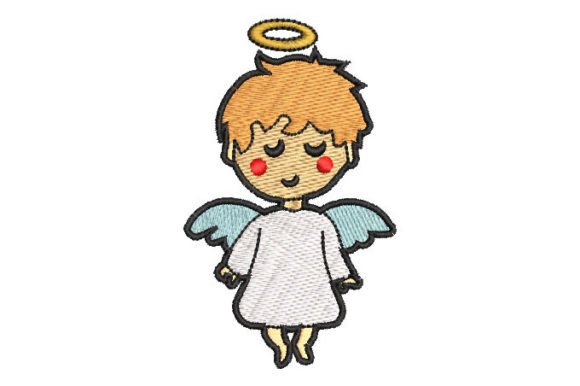
The visual personality of Angel Child is distinctively gentle yet structured enough to stand out on a finished product. In the world of machine embroidery, many Christmas-themed designs lean heavily into clutter or overly complex scenes that can get lost in stitching. This design avoids that trap. The layout suggests a balanced composition that works well as a focal point without overwhelming the garment or accessory it adorns. Whether you are looking at the negative space around the figure or the implied movement in the wings, there is a sense of flow that translates beautifully from screen to fabric.
For the creative entrepreneur or Etsy seller, this mood is gold. It taps directly into the emotional core of the holiday season—the innocence, the warmth, and the hope associated with Christmas. It isn't just a graphic; it is a conversation starter. When a customer holds a tote bag or sees a baby onesie embroidered with this motif, they aren't just seeing a picture; they are connecting with the sentiment behind it. That emotional connection is what drives engagement and builds trust in handmade brands.
Real-World Application: From Scrap Fabric to Boutique Shelf
Let me walk you through a scenario where Angel Child truly shines. Imagine you are preparing a collection of holiday gifts for your small shop. You have decided to create a line of custom aprons for a local bakery that wants to brand their kitchen staff during the festive season. You pull up the design files. Your first thought is practicality: does this fit the canvas? Yes. The proportions of the angel are ideal for a standard chest placement on an apron or a centered back panel on a sweatshirt.
However, let's say you decide to pivot. Instead of aprons, you want to target the nursery market with personalized baby blankets. Here, Angel Child becomes even more compelling. The soft lines translate perfectly onto plush fleece or minky fabric, creating a comforting aesthetic that parents love. But consider the technical side. If you were to embroider this on a thin cotton pillowcase, the density might require a specific stabilizer choice to prevent puckering. The design demands respect for the material.
I also see this design thriving on custom apparel like caps and hats, though with caveats we will discuss later. For a boutique selling handmade patches, the clean edges of the figure make it a strong candidate for applique techniques, allowing you to add texture and dimension that pure thread cannot achieve alone. The versatility here is impressive, making it a valuable asset for a designer who needs one reliable file that can be adapted across multiple product categories, from tea towels to commercial signage.
Navigating Challenges: Where Caution is Key
No design is without its limitations, and being an experienced reviewer means knowing exactly where a pattern might struggle. Angel Child is beautiful, but it requires strategic placement. If you are working with a small hoop size, such as a 4x4 inch frame, you must ensure the design fits comfortably without cutting off delicate details. Tiny lettering or intricate wing tips can sometimes disappear if the scaling is too aggressive.
Fabric texture plays a massive role in how this design presents itself. On stretchy fabrics like jersey knits, the tension of the stitches can cause distortion if proper stabilizers are not used. The design relies on clarity, and a wobbly stitch on a moving surface can ruin the professional look. Similarly, dark fabrics present a challenge. While high contrast is good, you need to verify that the thread colors chosen provide enough visibility against deep navy or black backgrounds. Sometimes, a lighter background is necessary to let the details of the angel breathe.
Curved surfaces, like baseball caps, require careful consideration. The curvature of the hat can flatten the vertical elements of the design, potentially altering the intended silhouette. If you are producing embroidered patches for sale, ensure the backing is sturdy enough to support the weight of the stitching. Dense stitch areas, particularly in fill sections, can become stiff and uncomfortable if not managed correctly. Always test the hand-feel of the finished product before mass production.
Impact on Brand Value and Customer Trust
In the competitive landscape of craft businesses and digital product sales, the quality of your embroidery design speaks volumes about your professionalism. A sloppy execution or a design that doesn't render well on different materials can erode customer confidence instantly. Angel Child, when executed correctly, elevates the perceived value of the item. It signals that care was taken in the creation process.
For the Etsy seller or small business owner, this design offers a unique selling proposition. It allows you to offer personalized gifts that feel bespoke rather than generic. Customers are willing to pay a premium for items that show attention to detail and have a clear, recognizable theme. The clarity of the stitching ensures that the design remains legible even after multiple washes, which is crucial for maintaining the longevity of the product. A durable, well-stitched item fosters loyalty and encourages repeat business.
Furthermore, the design's adaptability makes it excellent for printable mockups and digital previews. High-quality images of Angel Child applied to various garments can help potential buyers visualize the final result, reducing hesitation and increasing conversion rates. It serves as a versatile design asset that can be used in marketing campaigns, social media posts, and catalog listings, providing consistent branding across all platforms.
Practical Notes for the Design Professional
Before you commit to using this file in a commercial project, there are essential steps every designer should take. First and foremost, always test the design on scrap fabric that matches your intended final material. This simple step reveals issues with thread tension, color contrast, and stitch density that you might miss otherwise. Check the file format compatibility with your specific machine to avoid loading errors.
Review the stitch density carefully. If the fill areas are too dense, the fabric may pucker or become rigid. Conversely, if they are too sparse, the underlying fabric might show through, compromising the image. Confirm the recommended hoop size and ensure your stabilizer choice complements the fabric weight. For instance, a tear-away stabilizer might work for stable woven fabrics, while a cut-away might be necessary for stretchy knits to prevent long-term distortion.
Inspect the small details closely. Are the outlines crisp? Is there any jaggedness in the curves? Test the design in black and white mockups to ensure the contrast holds up regardless of the thread colors you choose. Compare how it looks on light versus dark backgrounds to determine the best presentation strategy. Finally, confirm the licensing terms explicitly. Ensure you have the right to sell finished products featuring Angel Child if you plan to use it for commercial embroidery or digital product resale. Never assume; always read the fine print.
Ultimately, Angel Child is more than just a Christmas design; it is a tool for creating meaningful connections through craftsmanship. By understanding its strengths and respecting its limitations, you can produce finished products that resonate with customers and elevate your brand. Whether you are a hobbyist making a gift for a loved one or a seasoned decorator fulfilling a large order, this design offers a solid foundation for excellence in embroidery.