Crystal Drop Ornament: A Designer's Real-World Review
As someone who has spent years reviewing machine embroidery designs for everything from boutique branding to custom holiday gifts, I know that the difference between a good project and a great one often comes down to the design itself. When Crystal Drop Ornament landed on my desk, my first thought wasn't about the file format or the stitch count, but rather how it would feel in a customer's hands. This piece carries a distinct mood right out of the box. It feels festive yet elegant, capturing the shimmering essence of a winter wonderland without relying on cluttered details. For designers looking to add a touch of sparkle to their Christmas collections, this design offers a sophisticated alternative to the traditional heavy reindeer or snowman motifs.
The First Impression: Mood and Visual Personality
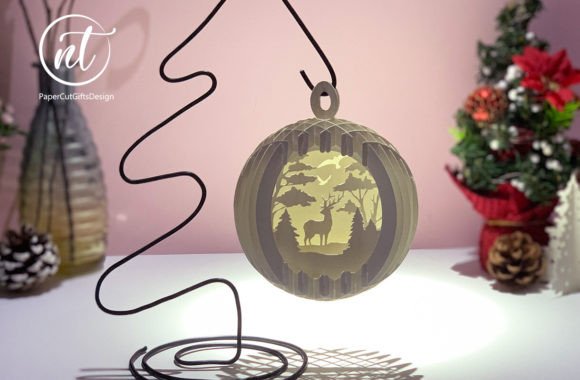
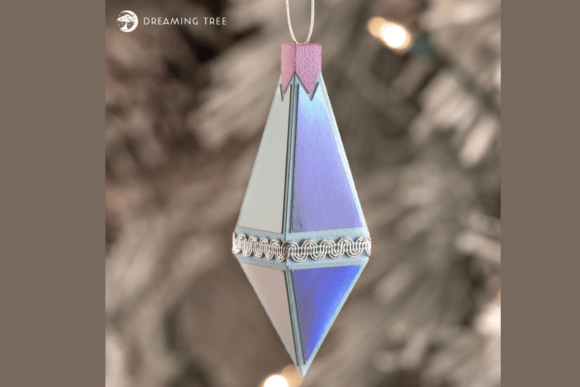
The moment you open the file, the layout of Crystal Drop Ornament suggests a design that values clarity and grace. The shape mimics a delicate icicle or a teardrop of frozen water, which creates an immediate sense of verticality and flow. Unlike many holiday designs that rely on dense fill stitches to create bulk, this piece appears to lean towards clean lines and strategic use of satin stitch to simulate the reflective quality of glass or crystal. It feels like a design meant to be seen, not just touched. The visual personality is modern and crisp, making it versatile enough to fit into both rustic farmhouse decor and sleek, contemporary gift packaging.
This aesthetic makes it particularly appealing for small business owners and Etsy sellers who are trying to differentiate their shop. In a sea of generic holiday patterns, a design with this level of refined detail can elevate the perceived value of your finished product. It speaks to a buyer who appreciates craftsmanship and subtle elegance over loud, overwhelming graphics.
Real-World Application: From Scrap Fabric to Finished Product
To truly understand the potential of Crystal Drop Ornament, I imagine placing it on a variety of common project surfaces. Let's say you are preparing a batch of custom embroidered tote bags for a local craft fair. The design fits perfectly in the center of a canvas bag, offering a focal point that draws the eye without dominating the entire surface. The vertical orientation works well with the natural drape of fabric, creating a balanced composition that looks intentional and professional.
Now, consider a different scenario: a personalized baby onesie for a holiday photo shoot. Here, the stitch density becomes critical. If the design is too heavy, it could make the garment stiff and uncomfortable for a tiny infant. However, if executed with the right thread colors and stabilizer choices, Crystal Drop Ornament could serve as a stunning chest accent. It adds a layer of sophistication that parents love, signaling that this isn't just another mass-produced item. The design also translates beautifully to kitchen towels and aprons, where its clean lines complement the functional nature of the textile while adding a seasonal touch.
For those selling digital assets or creating printable mockups, the versatility of this design is a major plus. You can easily visualize it on dark navy sweatshirts, light cream pillow covers, or even as a decorative patch on a denim jacket. The simplicity of the form allows it to adapt to various color palettes, whether you are using classic reds and greens or something more unique like gold and silver threads.
Navigating Challenges: Where to Use Caution
While Crystal Drop Ornament is a strong candidate for many projects, every experienced designer knows that context is king. There are specific situations where this design requires careful consideration. For instance, if you are working with small hoop sizes, such as those used for hats or cuffs, you must evaluate the physical dimensions of the design before committing. A design that looks spacious on a screen might become cramped when reduced to fit a 4x4 inch hoop, potentially losing the definition of its delicate corners.
Fabric texture also plays a significant role. On thin or stretchy fabrics, the stability of the design depends heavily on the choice of stabilizer. Without adequate support, the running stitch or fill stitch areas might pucker, ruining the crisp look that defines the ornament. Similarly, on dark fabrics, the contrast of the thread colors is paramount. If the design relies on subtle shading or light-colored threads to mimic the "crystal" effect, it might get lost against a black background unless high-contrast threads are selected.
Additionally, avoid using this design on curved surfaces like caps unless you have advanced digitizing skills or a machine capable of handling complex curvature. The straight lines of the drop shape can distort significantly on a rounded crown, leading to a misshapen final product. For items that require frequent washing, such as work aprons or children's clothing, ensure that the stitch density is appropriate. Too much density can cause the fabric to tear over time, while too little may result in loose threads snagging on other items.
Impact on Brand Value and Customer Trust
In the world of handmade goods, presentation is everything. A well-executed Crystal Drop Ornament does more than just decorate a product; it communicates professionalism and attention to detail. When a customer receives a gift or purchases a boutique item, they are buying into the story behind the brand. A design that stitches cleanly and maintains its shape demonstrates that the creator cares about quality.
This level of care builds trust. Customers are more likely to return to a shop that consistently delivers high-quality embroidered pieces. Furthermore, the design's ability to convey a specific mood—festive yet refined—helps in marketing. It allows you to position your products as premium gifts suitable for weddings, corporate events, or special family occasions. The recognition factor is also key; a clear, recognizable motif ensures that your design stands out in photos and social media posts, driving engagement and sales.
Practical Notes for the Embroidery Designer
Before you load this file into your machine for your next commercial project, there are several steps you should take to ensure success. First and foremost, always test the design on scrap fabric that matches your intended final material. This will reveal any issues with thread color contrast or fabric distortion before you risk ruining a customer's order.
Review the stitch density carefully. If the design feels too dense for the fabric type you are using, consider adjusting the settings or selecting a lighter stabilizer. Confirm the recommended hoop size and ensure your machine setup aligns with the design requirements. Inspect the small details closely; sometimes, fine lines can break up if the tension is off or if the needle is dull.
It is also wise to test the design in black and white mockups. This helps you see the true structure of the design without the distraction of color, ensuring that the shapes are distinct and the balance is correct. Compare how the design looks on both light and dark backgrounds to determine the best thread palette for your specific needs.
Finally, do not overlook the importance of proper licensing. If you plan to sell finished products featuring Crystal Drop Ornament or distribute it as part of a digital embroidery file, confirm the terms of use. Some licenses allow for commercial production of a limited number of items, while others restrict resale entirely. Understanding these rules protects your craft business and ensures you are operating ethically within the industry.
By approaching Crystal Drop Ornament with a critical eye and a focus on practical application, you can transform a simple digital file into a standout feature of your portfolio. Whether you are creating a single personalized gift or scaling up production for a holiday season rush, this design offers the flexibility and elegance needed to succeed in today's competitive market.