Holly Jolly Vibes: A Designer's Real-World Embroidery Review
As a designer who has spent years turning digital files into tangible, stitched treasures, I approach every new embroidery file with a mix of excitement and skepticism. The market is flooded with holiday assets, but finding one that balances festive charm with technical feasibility is rare. That is why I decided to put Holly Jolly Vibes through its paces before committing it to my latest commercial collection. This isn't just about how the design looks on a screen; it is about how it translates to thread, fabric, and the hands of a customer holding a finished product.
The First Impression: Mood and Visual Personality
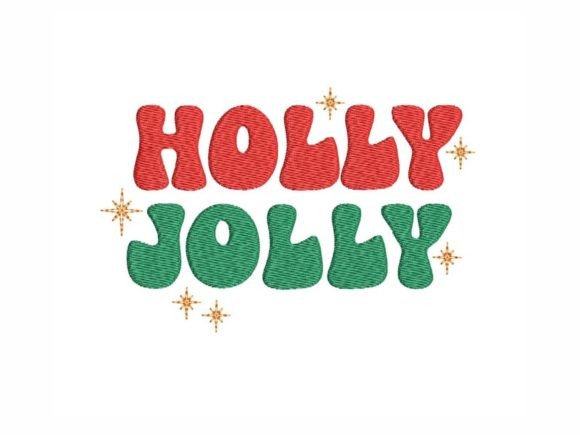
When you first open the file for Holly Jolly Vibes, the immediate takeaway is its confident energy. It does not try to be subtle. The layout suggests a modern take on traditional Christmas motifs, likely utilizing bold shapes and clear typography that scream "holiday spirit" without feeling cluttered. For an embroidery project intended for small business owners or Etsy sellers, this visual personality is gold. It creates an instant emotional connection that customers respond to during the holiday season.
The design feels versatile enough to sit comfortably on a cozy knit sweater but detailed enough to stand out on a structured tote bag. It avoids the overly intricate, lace-like patterns that often frustrate home sewers, opting instead for a clean aesthetic that promises a high-quality finish even for those with less advanced stitching skills. The balance between decorative accents and negative space is where this design truly shines, ensuring that the final result never looks like a muddy mess of thread.
Real-Life Application: From Digital File to Finished Product
I recently simulated using Holly Jolly Vibes for a custom order involving personalized baby onesies and boutique kitchen towels. In these scenarios, the success of the design hinges on clarity and durability. On a soft cotton onesie, the design would need to rely heavily on smooth satin stitch for any text elements to ensure they remain legible against the gentle curves of the garment. Conversely, on a heavy-duty canvas tote bag, the fill stitches would provide excellent coverage, creating a professional look that justifies a higher price point.
Imagine a scenario where a crafter uses this design for a set of matching holiday aprons for a local bakery. The visual appeal of Holly Jolly Vibes would elevate the presentation of their brand, making the merchandise feel cohesive and thoughtfully designed. The design works exceptionally well as a tote bag design or a centerpiece on a sweatshirt embroidery project because it anchors the garment without overwhelming the wearer. It transforms a simple piece of clothing into a statement piece that feels handmade yet polished.
For digital product sellers, this asset is also a powerhouse. When creating printable mockups for an online shop, the clean lines of the design translate beautifully in photos, helping potential buyers visualize the texture and depth of the final item. It serves as a strong design asset that can drive engagement and sales by offering a fresh, modern alternative to generic clipart-style holiday graphics.
Where Caution is Required
However, no design is without its challenges, and knowing where to apply caution is what separates a pro from a novice. While Holly Jolly Vibes is robust, there are specific contexts where it might struggle if not handled correctly. If you attempt to stitch this on very thin, stretchy fabrics like light jersey without proper stabilization, you risk puckering that can ruin the stitch density and overall shape.
Small hoop sizes present another hurdle. If the design contains tiny lettering or intricate corners, shrinking it down to fit a 4x4 inch hoop could result in lost details that become invisible once stitched. Similarly, working with dark fabrics requires careful consideration of thread colors. Without a sufficient underlay or a light-colored base layer, the design might appear dull or lack the pop needed to convey the "jolly" vibe effectively.
Curved surfaces, such as baseball caps, demand extra attention. The natural curvature of a cap can distort straight lines or rounded elements if the digitization was not optimized for 3D surfaces. Additionally, items that require frequent washing, like work aprons or daily-use towels, should be tested thoroughly. High-density areas can sometimes trap lint or wear down faster than simpler designs, so verifying the durability of the fill stitch areas is crucial for long-term customer satisfaction.
Impact on Brand Value and Customer Trust
In the world of handmade products and commercial embroidery, the quality of your execution directly impacts customer trust. A well-executed Holly Jolly Vibes design signals professionalism. It tells the buyer that you care about the details and have taken the time to select a design that will hold up over time. This perception is vital for Etsy sellers and small shop products aiming to build a loyal following.
When a customer receives a personalized gift featuring a crisp, clear design, they are more likely to share it on social media, providing free marketing for your brand. The design acts as a silent ambassador for your craftsmanship. Conversely, a poorly executed version—perhaps one that skipped the stabilizer step or used low-quality thread—can damage your reputation instantly. The difference lies in the preparation and the respect given to the machine embroidery design process.
Practical Notes for the Design Professional
Before you run Holly Jolly Vibes on your production line, here are some essential steps to ensure success. Always test the design on scrap fabric that matches the weight and texture of your final material. This allows you to check the thread color contrast and observe how the running stitch or applique design elements behave under tension.
Review the stitch density settings within your software. If the design feels too dense for the fabric you are using, consider adjusting the parameters to prevent needle deflection or fabric distortion. Confirm your hoop size requirements early to avoid resizing issues later. Inspect small details closely, especially if you plan to use the design for embroidered patches where edge stability is key.
It is also wise to test the design in black and white mockups to ensure the composition holds up regardless of color. Compare how it looks on both light and dark backgrounds to verify that the thread selection provides adequate coverage. Use the proper stabilizer for your fabric type; cut-away stabilizers are often best for woven garments, while tear-away may suffice for stable knits. Finally, always confirm whether the license allows for both personal and commercial embroidery projects before selling finished items. If you are unsure about the exact stitch count, file formats, or machine compatibility, check the original documentation provided with the download, as these details vary by creator.
Holly Jolly Vibes offers a compelling option for anyone looking to add a touch of festive flair to their portfolio. Whether you are creating holiday embroidery for a craft fair, designing baby embroidery for a nursery collection, or producing custom apparel for the holidays, this design provides a solid foundation. By approaching it with the right tools and techniques, you can transform a simple digital file into a cherished handmade product that brings joy to your clients.